Now Reading: Why Do Dogs Get the Zoomies, and Should You Let Them Run Wild?
-
01
Why Do Dogs Get the Zoomies, and Should You Let Them Run Wild?

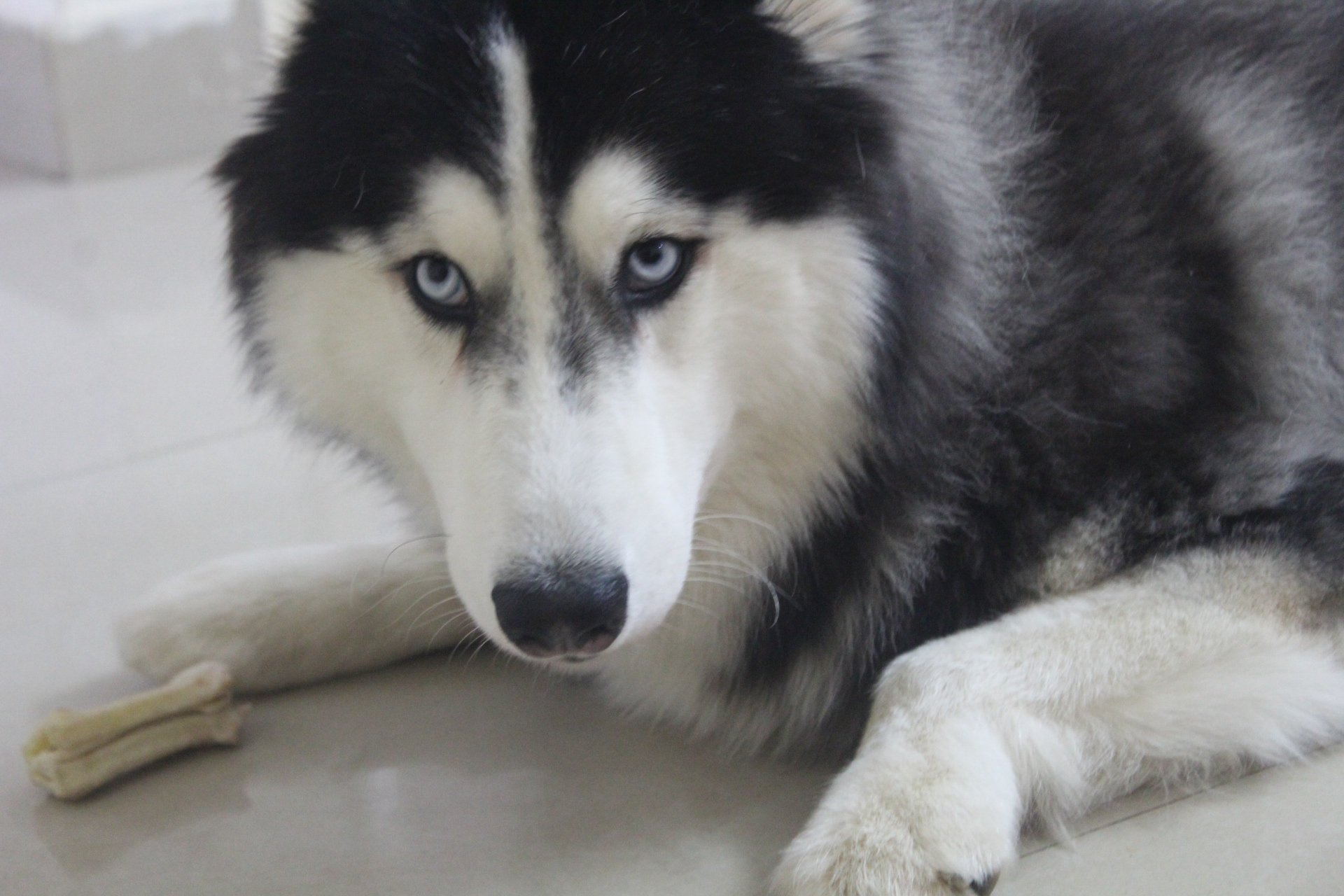
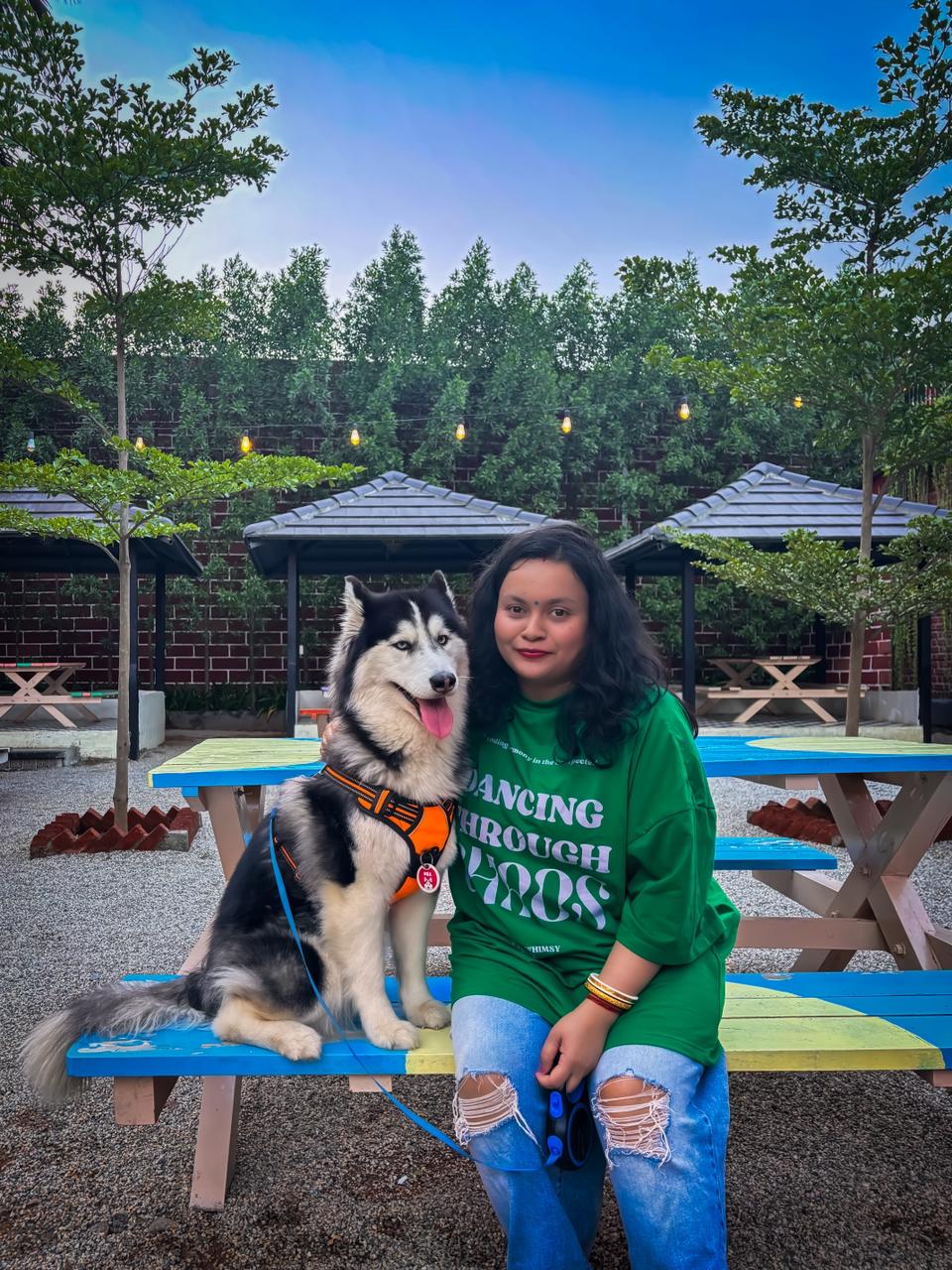
A reunion. A patch of dirt. One Husky girl with feelings too big to walk off politely.
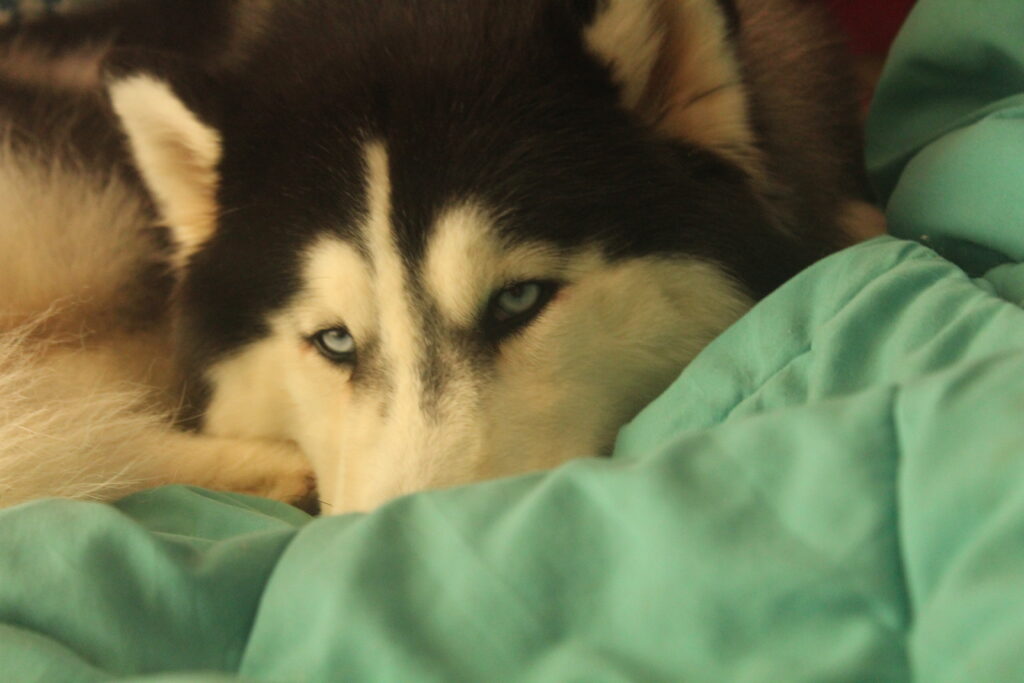
The first few seconds after Kira sees us again are never quiet.
If we have been out for a while and come back home, my Husky girl does not just wag her tail and greet us at the door like a composed little lady. She does one quick emotional check-in with her eyes, and then she is gone.
From one room to another. Around the furniture. Back again.
Her paws skid a little, her body curves into that unmistakable zoomie shape, and for a few breathless seconds, our home belongs entirely to her excitement.
Then there is the digging version.
If Kira has found a patch of soil, sand, or really any place where she can get those paws working, she often finishes the job and immediately tears off as if the earth itself has wound her up.
I used to watch her and think, What exactly just happened inside that fluffy head?
So I started reading. Not just articles, but other dog parents talking honestly about their own dogs’ strange little patterns. And somewhere between the post-bath sprinters, the poop zoomers, the evening puppies, and one dog who also lost his mind after digging, Kira’s behavior began to make a lot more sense.
Maybe Zoomies Are Not So Random After All
The proper name for zoomies is frenetic random activity periods, or FRAPs. Which is a wonderfully formal name for a dog suddenly deciding the hallway is a racetrack.
But the more I read, the less “random” they seemed.
In one Reddit thread, a puppy parent described almost the exact thing I see with Kira: their pup got zoomies after baths, after long walks, and when the owner stepped outside briefly and came back in.
Zoomies, are they predictable? How to “deal” with them? Or just let it ride out?
by in puppy101
One thoughtful reply explained zoomies as the body’s release of emotional buildup, which can come from excitement, stress, fear, frustration, or simply too much stimulation at once.
Another thread was full of dog parents using much less scientific language. One called zoomies “epic joy.”
Comment
by u/viseth2020 from discussion
in DogViral
Another said their dog does it when the last family member gets home. Others mentioned visitors, treats, walks, the beach, chilly weather, and even dinner.
Reading those replies, Kira’s reunion zoomies stopped feeling like a mystery and started feeling almost obvious. She is not being dramatic for no reason. She is happy we are back, and apparently, a tail wag alone is not enough to say it. 😂
Kira Is Not the Only Dog Whose Paws Start Something
The digging zoomies were the part I had not expected to find reflected back at me.
Then, in an AskReddit thread, I found a dog parent whose otherwise calm dog would suddenly sprint around after digging, and another puppy parent who neatly classified one of their dog’s categories as “digging in the sand is fun” zoomies.
I smiled at that.
Because that is exactly what it looks like with Kira. Digging does not drain her into sleepiness. It lights her up. One joyful dog behavior seems to tip straight into another, and before I know it, she is racing from one room to the next with the satisfaction of someone who has just completed very important work.
The AKC notes that many dogs dig simply because it is fun, along with all the older instinctive reasons dogs may dig. In Kira’s case, I do not think she is digging because she needs a lecture in canine archaeology. I think she enjoys it deeply. And after reading other dog parents say, yes, mine too, her post-digging sprints felt less like a quirk to decode and more like another little Kira-ism to understand.
The Same Zoomie Can Mean Very Different Things
What surprised me most while reading through all those threads was how many dog parents began with the same assumption: My dog has zoomies. Does that mean I am not exercising them enough?
And the answer, again and again, was: not necessarily.
Some dogs in those threads zoomed after walks, not before them. One person described it as “the storm before the calm” because their puppy would race around after a long outing and then crash. Several puppy parents noticed that evening zoomies often meant their dogs were overtired, much like toddlers who become louder and wilder right when they most need sleep. Others had dogs who zoomed after baths, after pooping, when visitors arrived, or right before bedtime. A few had senior dogs who still did tiny, shorter versions years later.
That range matters.
One post I found especially useful pushed back on the idea that zoomies always mean an under-exercised dog. The writer had actually overdone activity with a high-drive puppy, and the dog became more demanding and more over-aroused, not calmer. What helped was less constant stimulation, more rest, and learning how to settle. Another dog parent put it beautifully bluntly: some dogs do not need help running; they need help relaxing.
That changed the question for me.
Instead of asking only, “How do I stop zoomies?” it seems kinder and smarter to ask, “What usually comes before this dog’s zoomies?”
For Kira, reunion zoomies look like delight. Digging zoomies look like delight, too, with a little extra soil under the nails. But if a dog is zooming while biting, unable to settle, crashing into things, or getting more frantic after an already busy day, I would read the scene differently.
I Do Not Want to Stop Joy. I Just Want to Keep It Safe
Another thing the Reddit threads made clear is that most dog parents are not actually trying to ban zoomies from existence.
They are trying to avoid the collateral damage.
One person joked that four dogs bouncing off the walls was more than one house could handle. Others talked about leash zoomies, slippery floors, puppies biting ankles, furniture getting knocked over, or big dogs forgetting their size. A few people said they simply let it happen indoors if the space was safe; others redirected on walks, moved the dog to a fenced area, or taught a “settle” cue for moments when excitement tipped into chaos.
That feels close to how I handle Kira.
I do not scold her for being happy to see us. I do not want to flatten every bright feeling she has into perfect indoor manners. But I do make sure the path is clear, I do not chase her and turn it into a louder game, and I keep an eye on whether the room she has chosen for her little sprint festival is actually a good one.
Because zoomies themselves are usually not the problem.
The sharp table corner is. The slippery floor is. The moment when a puppy is so tired that play turns into nipping is.
Some Feelings Are Meant to Be Run
These days, when Kira sees us after some time apart and races from one room to another, I do not stand there trying to solve her like a puzzle.
I see a dog whose happiness has arrived faster than her body knows what to do with.
And when she finishes digging and bursts into motion again, I think of all those other dog parents online quietly recognizing the same thing in their own homes: the dog who zooms after a bath, the dog who zooms before a poop, the dog who still does it at thirteen, the dog who needs a nap more than another game of fetch.
Zoomies are not one single message. They are more like a loud little paragraph written with paws.
Kira’s often say, You came back. Or, That digging was excellent. Or maybe simply, I am alive, and this is too much fun to walk through slowly.
And honestly, I hope she keeps saying it for a very long time. 🐾