Now Reading: Freeze It, Fill It, Hand It Over: How To Make a Kong More Fun
-
01
Freeze It, Fill It, Hand It Over: How To Make a Kong More Fun

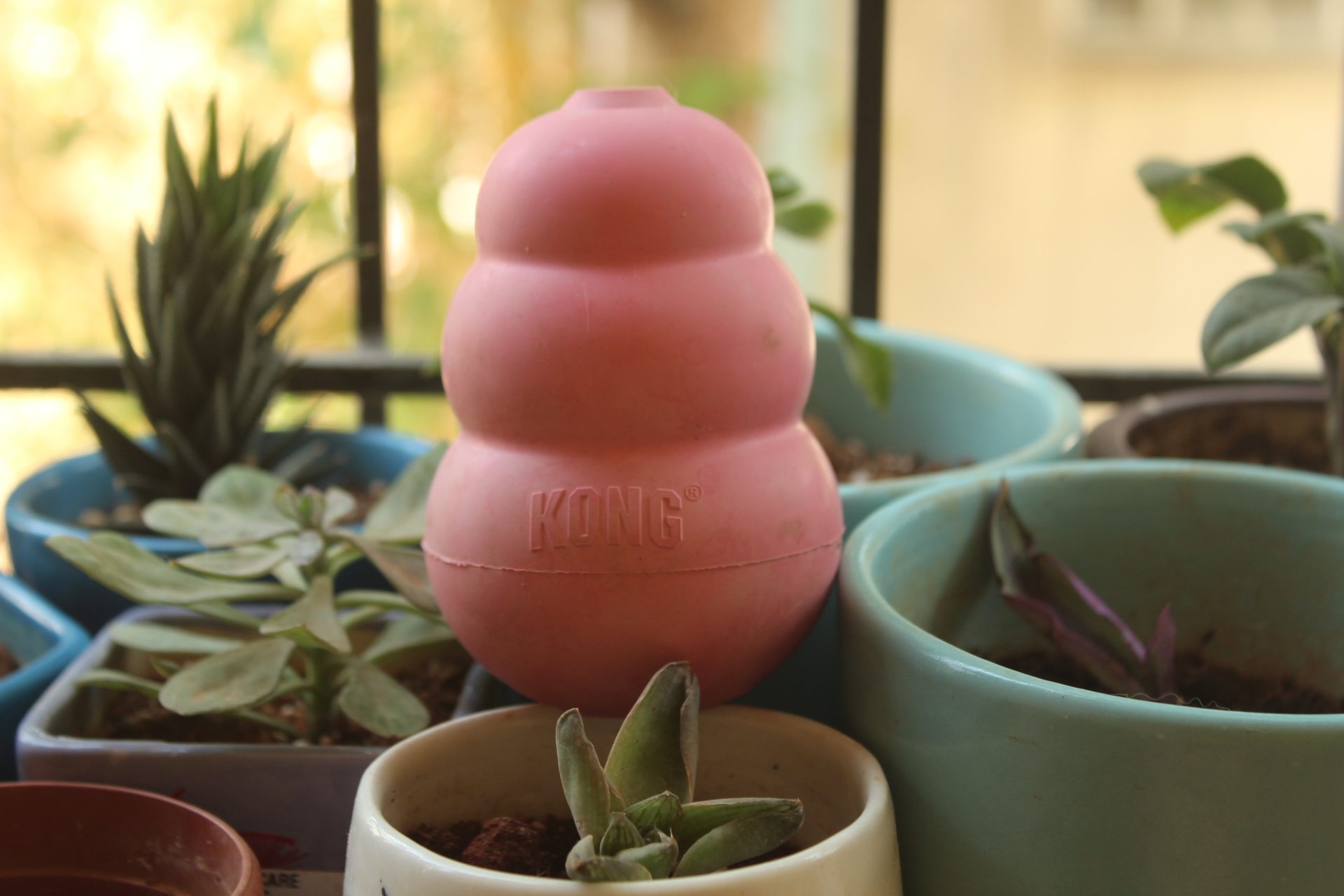
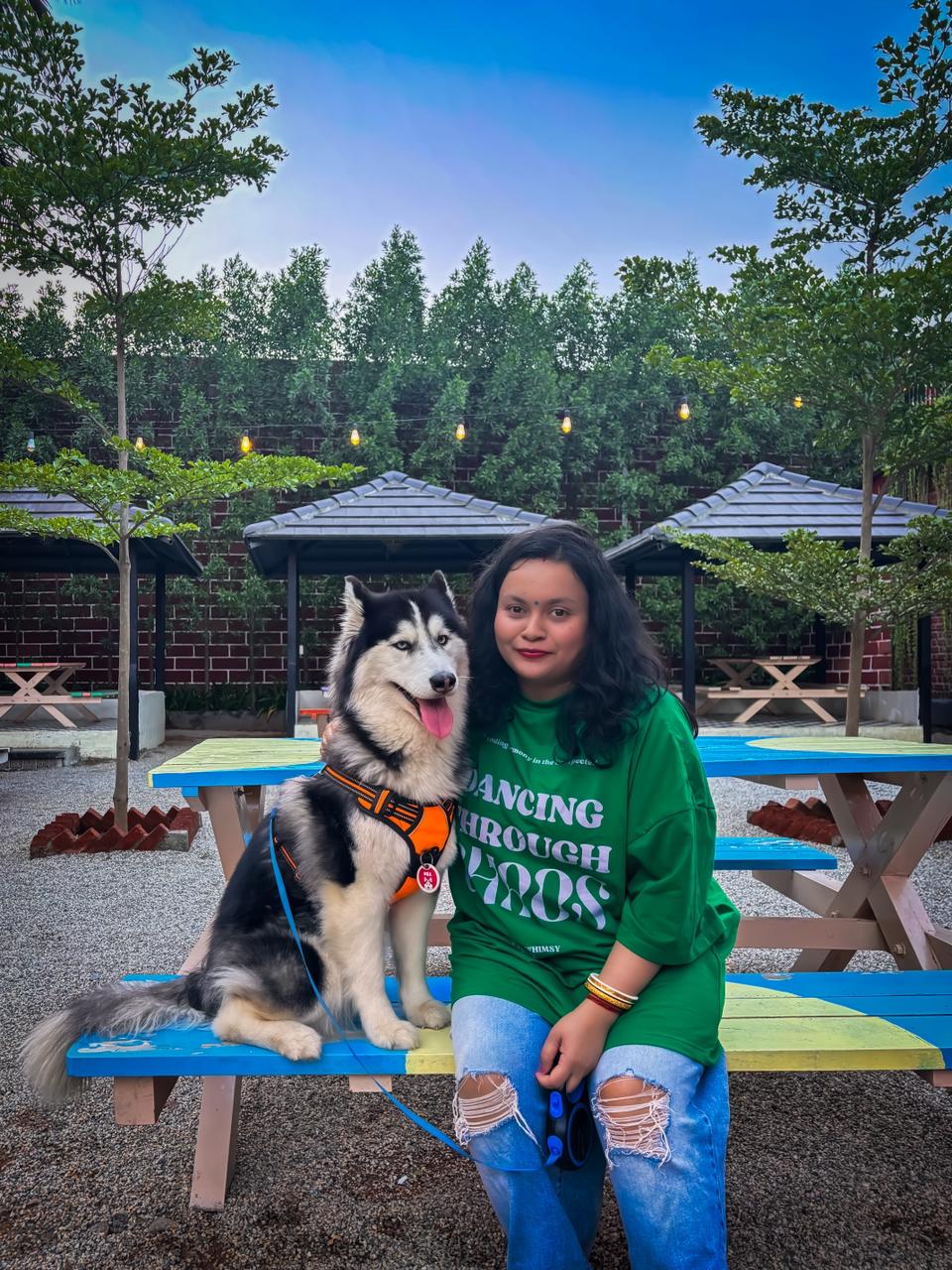
From first licks to frozen boredom busters, make a Kong work in real life for bored dogs.
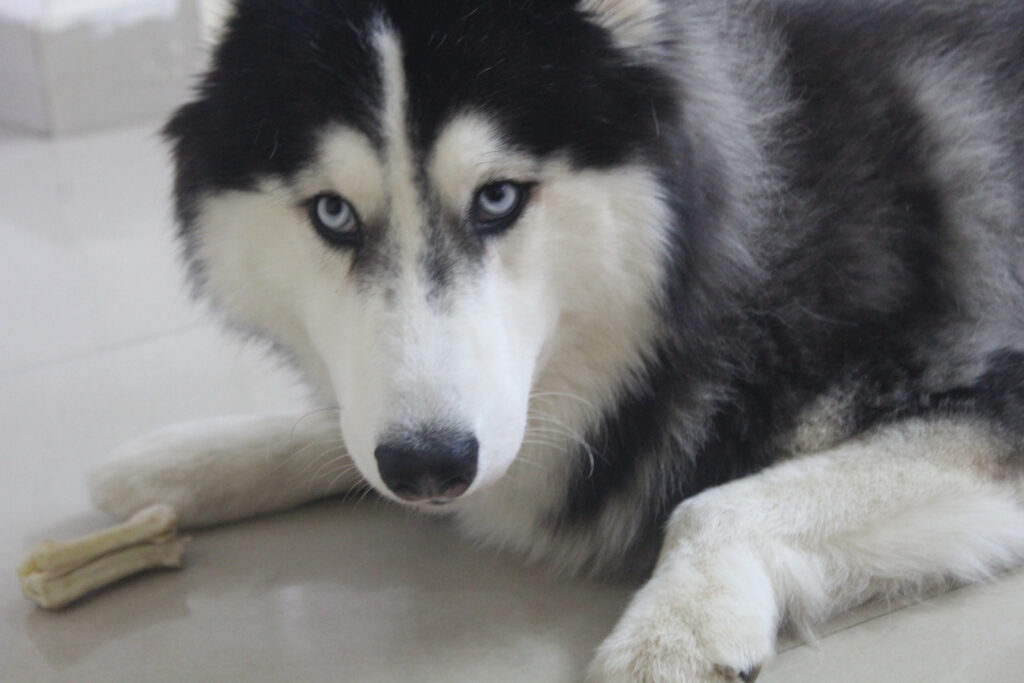
I remember one work-from-home afternoon in Bengaluru when Kira had already had her walk, already patrolled the house, and had reached that very Husky stage of boredom where she starts inventing her own entertainment.
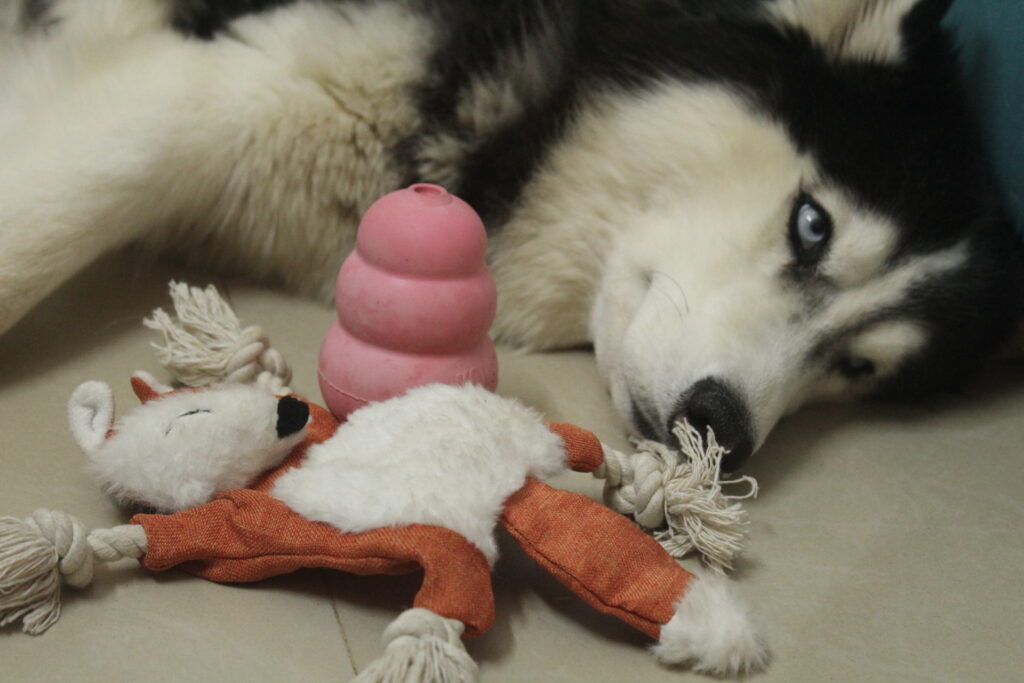
If you live with a smart dog, you know the look. It is half angel, half “I am about to do something chaotic if you do not give me a job.”
That is usually when I pull out her Kong.
Most days, I keep it simple. I fill it with homemade treats, tuck in a few biscuits, and give it to her when she needs something to do with her mouth and brain. It gives her a project. It gives me a little peace. On days when I have chores to finish or just need her to settle down, it works far better than handing her a random biscuit and hoping for the best.
But I also know the Kong hype can be confusing.
Online, it can look as if every dog instantly understands what to do with one. You see beautifully frozen fillings, fancy layers, and dogs licking away like tiny food critics. Then you hand one to your own pup and… they lick the top, stare at you, throw it once, and walk off.
Honestly, after reading through Reddit threads from real dog parents, I felt reassured. A lot of dogs do not understand Kong’s at first. Many only lick what they can reach. Some toss the toy around with their paws or nose. Some do not care for peanut butter. Some get frustrated if the filling is too deep or too frozen. And some only start enjoying Kongs after their humans make them much easier to use.
So if you have been wondering how to use a Kong dog toy without frustrating your pup, here is the real-life version.
Before You Stuff It, Ask: Is Your Dog Ready for This Kind of Toy?
Not every dog meets a Kong and immediately thinks, “Ah, yes, my puzzle feeder has arrived.”
Some dogs are natural problem-solvers. They paw at things, mouth them, fling them, and keep trying until food appears. Those dogs warm up to Kong quickly.
Others need help. Puppies especially can struggle because the opening feels deep, the toy wobbles strangely, and the idea of working food out of rubber is not exactly intuitive. A few Reddit dog parents said their pups only started getting the hang of it after days, weeks, or even a couple of months.
Signs Your Dog Is Ready for an Easier Beginner Version
If your dog only licks the top and gives up, seems confused, keeps coming back to you for help, or cannot reach the filling at the bottom, that is your sign to make Kong easier, not harder.
The same goes for small dogs with large Kongs, young puppies with baby teeth, or dogs who like food but do not enjoy working too hard for it.
Signs Your Dog May Be Ready for More of a Challenge
If your pup already knocks the Kong around, keeps returning to it, enjoys working for kibble, or can finish easier fillings without getting annoyed, you can move up to layered fillings and freeze.
The key idea is simple: do not start with the hardest version just because it looks impressive online. Start with the version your dog can actually win.
Start With the Easy Kong, Not the Fancy Kong
This was the biggest pattern I noticed in the Reddit threads: many dog parents start too hard.
They freeze yogurt, peanut butter, wet food, or some thick mash right away, and the puppy just licks the first bit and quits. Once people switch to an easier setup, the dog finally learns that food comes from inside the toy.
That is the real first lesson. Before your dog learns to love a Kong, they have to understand the game.
Step 1: Let the Food Fall Out on Purpose
For a beginner dog, fill the Kong with dry kibble or a few small treats, and make it easy. Yes, some of it will fall out fast. That is fine.
You are not failing. You are teaching your dog, “Hey, this weird rubber thing is where the good stuff lives.”
You can roll it gently toward them, let them paw it, or let them tip it over. A lot of dogs in those threads were not careful lickers at all. They were flingers, droppers, bouncers, and nose-pushers. That still counts.
Step 2: Add a Small Smear, Not a Full Cement Wall
Once your dog understands the basic idea, add just a little sticky food near the opening. I really mean a little.
This can be a dab of dog-safe peanut butter, plain yogurt, pumpkin puree, or a bit of wet food. The mistake many of us make is packing the whole Kong too deeply, too early. Then the dog reaches a dead end and feels cheated.
If your dog is new to Kongs, keep some rewards near the top so they stay motivated.
Step 3: Move to Soaked or Layered Fillings
When your dog is consistently working with the toy, you can make it more interesting.
One of the most practical ideas I saw dog parents repeat was soaking kibble with a little water so it puffs up and clumps instead of pouring straight out. That gives your dog more of a challenge without turning the Kong into an impossible frozen brick.
You can also layer it. A little kibble, a little soft filling, a few treats, maybe another soft layer on top. This is often where I land with Kira, too, because it keeps things interesting without making it absurdly difficult.
Step 4: Freeze Only After Your Dog Gets the Idea
Frozen Kongs are brilliant once your dog understands how to use them.
They last longer, feel soothing in hot weather, and can keep a bored dog occupied when you need them to be. But freezing should usually come later, not first.
If you freeze a Kong for a total beginner, you may end up with a dog who licks the top, gets annoyed, and leaves you a crusty mess to clean up later. Start with room-temperature or lightly chilled fillings. Then move to partly frozen or slushy versions. Then go fully frozen once your dog is genuinely into it.
What Can You Put in a Kong Besides Peanut Butter?
This is where real-life dog parenting gets interesting, because not every dog is a peanut butter fan.
That was another recurring theme in the Reddit threads. Quite a few dogs preferred yogurt, pumpkin, wet food, or other softer fillings. Some flat-out rejected peanut butter. I loved that because it is such a good reminder that dogs are individuals, not a single personality in different fur coats.
What I Use for Kira
In our home, I mostly use homemade treats and biscuits for Kira when she is bored. If I want the Kong to last longer, I will combine those with a soft filler so the pieces do not tumble out immediately.
I like this approach because it feels flexible. I am not cooking a gourmet three-course meal every time. I am just using what works for her.
Real-Life Kong Fillers That Dog Parents Keep Coming Back To
Plain Greek yogurt came up a lot. So did pumpkin puree, wet dog food, mashed sweet potato, softened kibble, banana, a little broth frozen into the mix, and dog pate.
Some people use tiny bits of chicken or dog-safe leftovers. Others use part of the dog’s regular meal to turn the Kong into a slow feeder, rather than adding extra treats on top of dinner.
That last idea makes a lot of sense to me. If your dog loves food, a Kong does not always have to be a bonus snack. It can simply be a more interesting way to serve part of the meal.
A Few Simple Safety Checks Matter Here
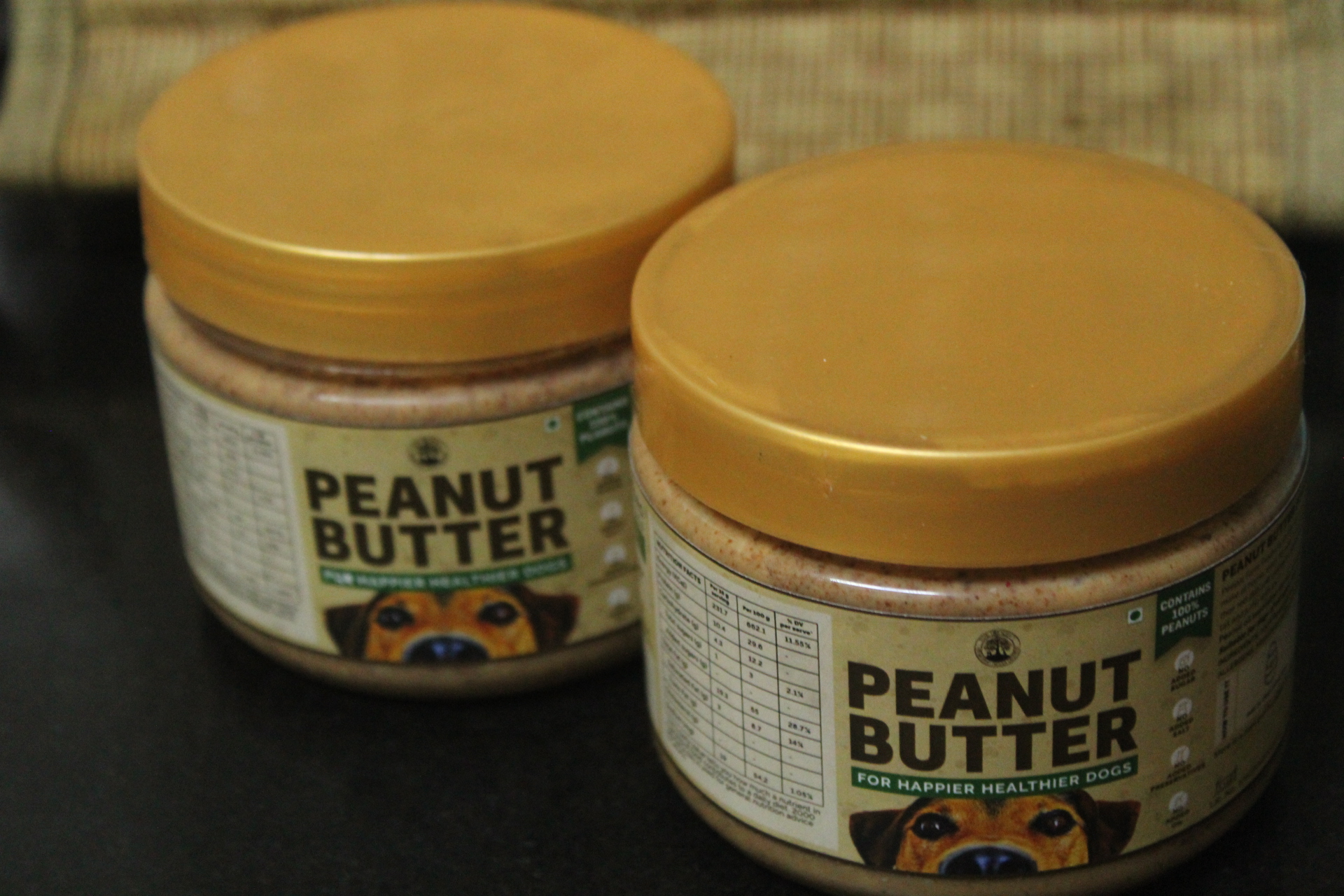
If you use peanut butter, always make sure it is dog-safe and does not contain xylitol.
If you use baby food or leftovers, check that there is no onion, garlic, grape, or anything else that should not be in a dog’s treat.
And whatever filling you choose, start small. A Kong is meant to enrich your dog, not upset their stomach because we got overexcited in the kitchen.
The 5 Kong Rules I Swear By
After using one with Kira and reading how other dog parents handle them in ordinary homes, these are the rules that make the biggest difference for me.
1. Pick the Right Kong, Not Just a Random Kong
Size matters more than people think.
If the Kong is too large, your dog may not be able to reach far enough in and will lose interest. If it is too small, that creates a different problem altogether. For puppies, the softer Puppy Kong makes more sense. For average adult chewers, the Classic works well. For serious power chewers, the black Extreme line is the better call.
2. Match the Difficulty to the Dog in Front of You
A beginner Kong should feel winnable.
If your dog is just learning, do not hand them a frozen concrete column of yogurt and kibble and expect a breakthrough. Let them succeed first. Then build difficulty from there.
3. Use the Kong Before Boredom Turns Into Trouble
For me, the Kong works best when I give it to Kira before she is fully in mischief mode.
That might be while I am finishing chores, taking a call, trying to eat in peace, or helping her settle during a slower part of the day. Many dog parents also use Kongs for crate time, meal time, and alone-time practice because they give dogs a positive job to do.
4. Keep the Filling Simple Enough That You Will Actually Use It
This might be my favorite rule because it keeps me honest.
The best Kong routine is not the prettiest one. It is the one you can repeat. If homemade treats and a few biscuits work, lovely. If kibble with a little yogurt works, lovely. If a frozen wet-food plug gets you twenty peaceful minutes, that counts too.
5. Supervise, Inspect, and Do Not Treat It Like an Indestructible Babysitter
Kongs are durable, but they are still toys.
Use the right size, keep an eye on your dog while you are learning how they handle it, and retire the toy if it gets damaged. I also would not pack a beginner dog’s Kong so tightly that it becomes stressful, or hand it over and disappear for ages before I know how they cope with it.
What If Your Dog Still Does Not Get It?
Then your dog still does not get it.
That is not a failure on your part, and it does not make your dog odd. It just means this particular style of enrichment may not be their favorite yet.
Some dogs never become those dreamy Kong devotees you see online. A few dog parents in the threads I read said their dogs preferred wider food toys, wobblers, or other chew options entirely. Others said the Kong worked better once their dog got older, more patient, or simply more food-motivated.
You can also change the Kong’s job instead of giving up on it completely. Use it as a slower feeder. Use it with an easy top smear. Use it on hot days with a lighter frozen filling. Use it occasionally so it stays novel.
Not every dog needs to spend 45 minutes working on a tiny toy to be enriched.
A Kong Does Not Have To Be Fancy To Be Useful
That is probably the biggest thing I have taken away from using one with Kira and from reading about how other people use theirs in real homes.
A Kong does not have to be gourmet. It does not have to be Instagram-pretty. It does not have to keep your dog busy for a full hour every single time.
It just has to work for your dog.
For Kira, that often means a simple fill with homemade treats and biscuits when she is bored and looking for a little project. For another dog, it might mean soaked kibble and a dab of yogurt. For another, it might only work when frozen. For some, it may never become their favorite toy.
And that is okay.
If you are just starting out, begin with the easiest version today. Let the food fall out. Let your dog learn. Let them paw at it, bounce it, lick it, and figure it out in their own slightly chaotic way.
That is how most real-life dogs seem to do it anyway.
And if you happen to be in Bengaluru, doing exactly what I do on a warm afternoon by handing your bored dog a stuffed Kong and hoping for ten peaceful minutes, please know I am right there with you.