Now Reading: Alaskan Husky vs. Siberian Husky: What It’s Like To Live With Each One
-
01
Alaskan Husky vs. Siberian Husky: What It’s Like To Live With Each One

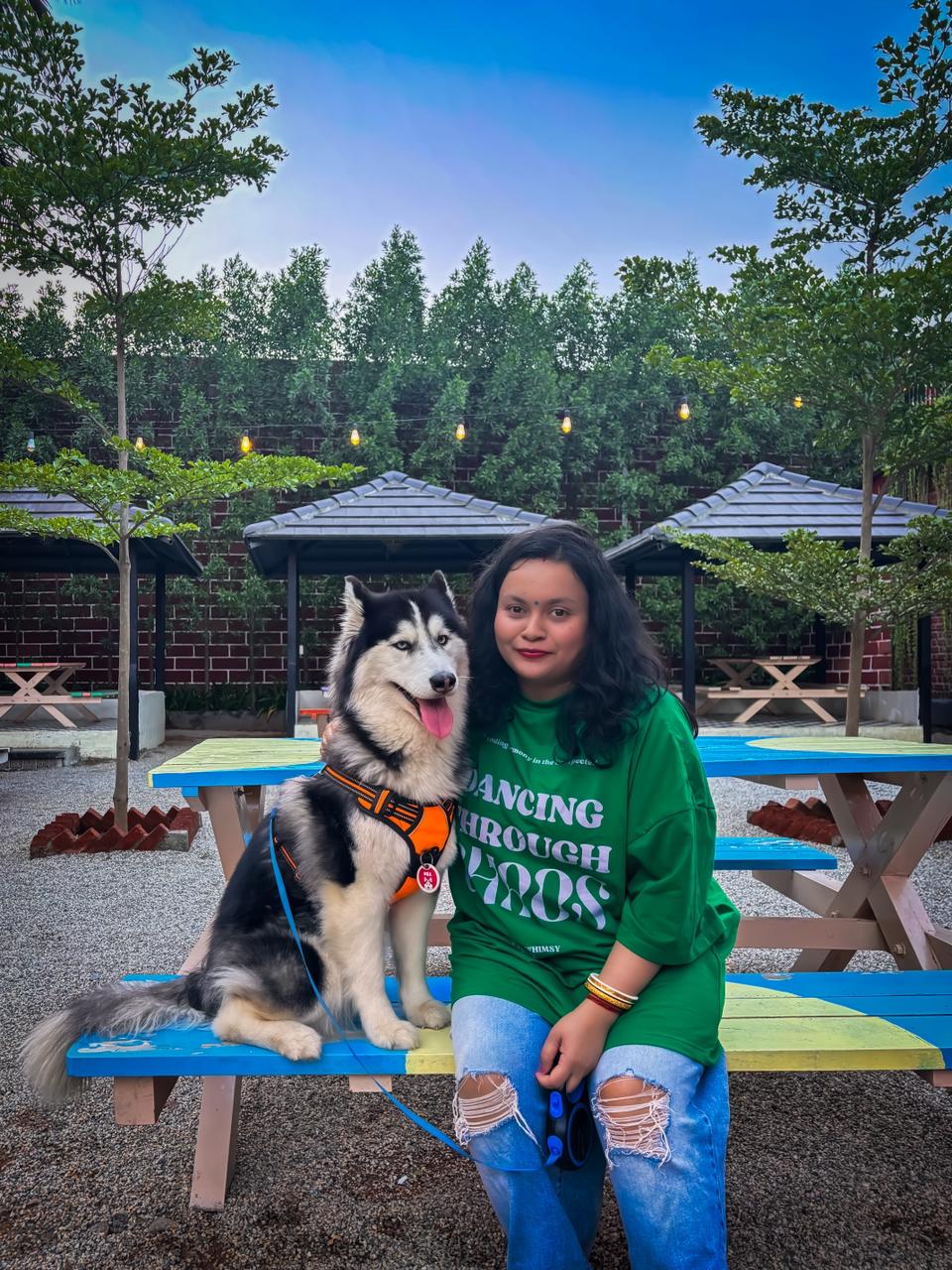
One comes with a breed standard. The other comes with a job to do. Which trail fits your life better?
Kira, my Siberian Husky, gets called a lot of things here in Bengaluru.
Wolf. Snow dog. “That Game of Thrones dog.” And sometimes, very confidently, “Alaskan.”
I never blame people for asking.
If you spend even a little time in Husky corners of Reddit, you will see the same confusion pop up over and over again. Someone posts a photo. One person says Siberian. Another says Alaskan. A third person says malamute. Suddenly, everyone is studying ears, tails, masks, and paw size like they are on some canine detective show.
So I did what I always do when a dog question starts following me around. I made coffee, sat down with Kira nearby, read through the Husky parents’ threads, and cross-checked the facts with official breed and sled-dog sources, too.
And honestly, the clearest answer is much simpler than the internet makes it out to be.
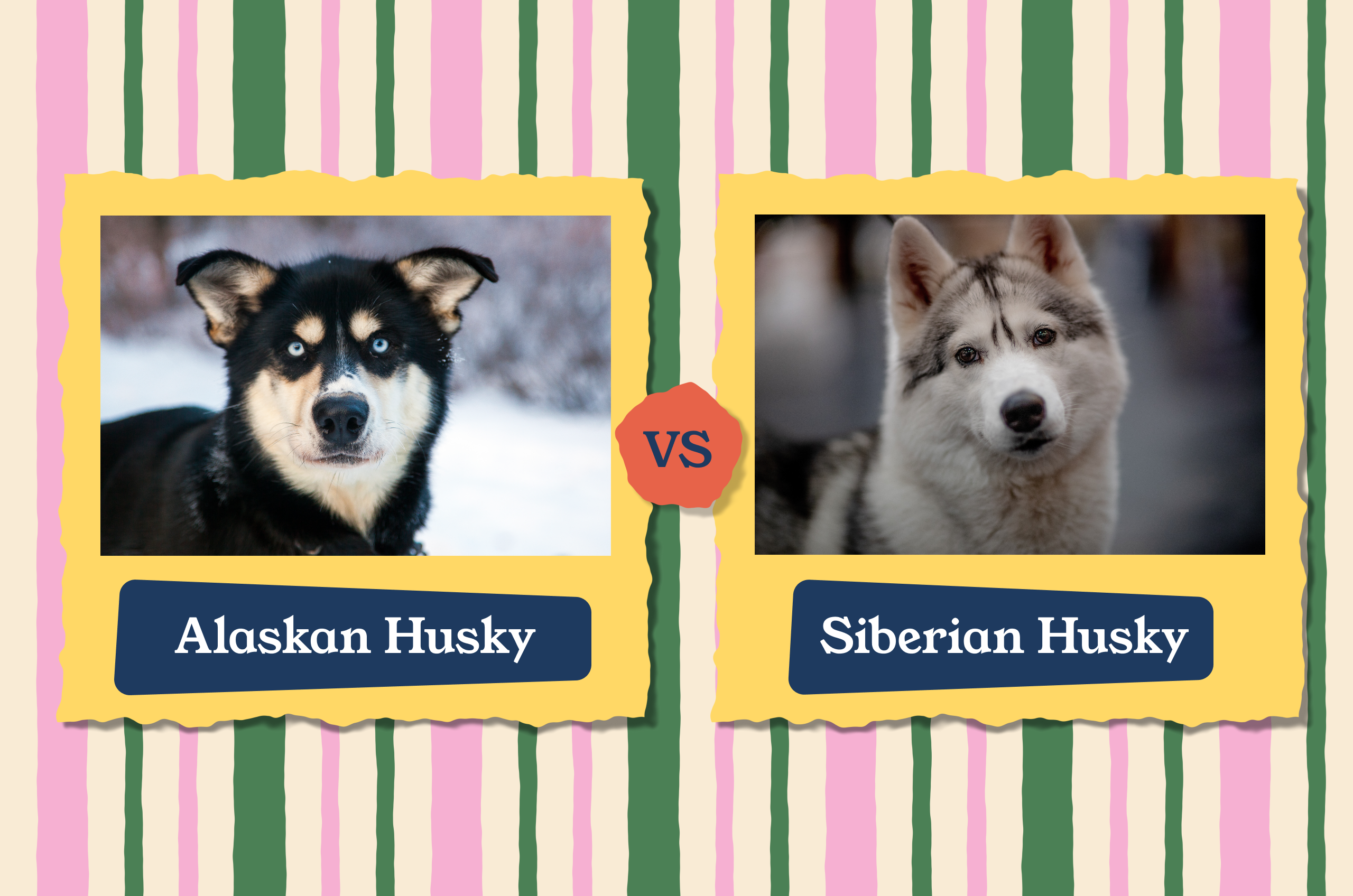
A Siberian Husky is a recognized breed with a standard look and temperament. An Alaskan Husky is a purpose-bred sled dog type, built for performance first and appearance second.
That one difference explains almost everything else.
Siberians Have a Rulebook. Alaskans Have a Race To Run
The Siberian Husky Is a Recognized Breed
When people say “Siberian Husky,” they are talking about a real, established breed.
That means there is a breed standard. There are expected size ranges. There are expected physical traits. There is a general idea of how the dog should move, look, and carry itself. The Siberian Husky was developed as a medium-sized working dog built to pull light loads over long distances with speed, balance, and endurance.
That consistency matters more than most people realize.
It is why Siberians tend to feel familiar even when their coats, eye colors, or markings differ. A red Siberian still reads like a Siberian. A black-and-white one does too. Even a chocolate-toned or unusually marked one can still be fully within Siberian territory. They may look different from the Husky in your head, but they still belong to the same breed picture.
The Alaskan Husky Is a Working Type
An Alaskan Husky is different.
It is not a kennel club breed with one fixed look. It is a sled dog type shaped by generations of people breeding for performance. Mushers cared about who could run, pull, recover, eat well, handle cold, and keep going. They did not care nearly as much about matching masks or whether the tail made a pretty silhouette.
That is why Alaskan Huskies can vary so much.
Some are lean and leggy. Some are lighter-coated. Some carry traits from other athletic breeds that were added for speed, stamina, or focus. In working circles, that is normal. In pet-owner conversations, it creates endless confusion.
And this was one of the strongest patterns I kept seeing in the Reddit threads, too: people often use “Alaskan Husky” as shorthand for “husky-looking mix,” even though true Alaskan Huskies are really purpose-bred sled dogs, not just any fluffy northern-looking dog without papers.
Siberians Look Like the Husky in Your Head. Alaskans Look Like the Dog the Trail Needed
Siberians Match the Classic Husky Picture
If you close your eyes and imagine a Husky, you are probably picturing a Siberian.
Pointy ears. Almond eyes. A thick double coat. A tail that curves when they are alert. That bright, mischievous face that looks as if they are already planning something mildly illegal.
That is the classic Siberian vibe.
Kira has it in full force. She walks like she knows she is beautiful, pauses for attention she did not technically earn, and somehow looks dramatic even while doing absolutely nothing.
Siberians are also not giant dogs, though photos online can make them seem enormous. They are medium-sized and more balanced than bulky. If a dog is truly huge, very heavy-boned, or unusually massive, the conversation often shifts away from Siberian and toward malamute or another northern mix.
Alaskans Are Built Around Function More Than Uniformity
Alaskan Huskies often look more athletic than ornamental.
Not always. But often.
They can be narrower, leggier, lighter on fluff, and more obviously built around movement. They may still have that northern-dog face people associate with Huskies, but the overall look feels more practical and less polished.
That is because Siberians were bred inside a recognizable breed box, while Alaskans were bred to meet a job description.
The trail did not care whether a dog had a perfect mask.
The trail cared whether the dog could do the work.
Siberians Bring Drama. Alaskans Bring More Work Drive
Siberians Are Funny, Social, and Famously Opinionated
This is the part I know in my bones because I live with one.
Siberians are often affectionate, silly, stubborn, expressive, and deeply convinced that their opinion matters. Owner after owner in the threads you shared kept returning to the same truths: Huskies can be independent, they can be vocal, they can be escape artists, and they can swing anywhere from clingy cuddle bug to furry chaos goblin, depending on the dog.
That personality variation is real.
Some Siberians are velcro dogs. Some are comedians. Some are very gentle and social with strangers. Some are choosy. Some sing the song of their people every evening. Some barely make a sound and then suddenly scream because dinner is three minutes late.
Kira, for the record, is very much in her dramatic-girl era at all times.
And honestly, that is part of the magic of living with a Siberian. You do not just get a beautiful dog. You get a full personality in a double coat.
Alaskans Tend To Be Bred for Focus and Endurance
Alaskan Huskies can absolutely be loving, playful dogs, too. But the type itself was built around work in a more direct way.
Modern Alaskan sled lines are bred for drive, athleticism, recovery, and pulling ability. That does not mean they are robotic. It means their wiring often leans harder toward performance than presentation.
This is also why modern racing teams tend to use Alaskan-type sled dogs far more than purebred Siberians. Siberians carry plenty of endurance and history, but Alaskans were refined for competitive work in a way that makes them especially suited to racing and other serious pulling jobs.
So if a Siberian often feels like a companion who can work, an Alaskan often feels more like a worker who can also be a companion.
That is not a criticism of either one.
It is just a difference in emphasis.
Siberians Fill Your Home With Fur. Alaskans May Ask More of Your Routine
Siberians Need a Secure Home and a Very Good Vacuum
If you bring home a Siberian, you are signing up for coat, comedy, and management.
They shed. Then they shed again. Then they somehow leave fur in places that make no biological sense.
They also need secure fencing, leash reliability, and a healthy respect for their instinct to run. Another clear pattern in the Reddit threads was how often owners mentioned escape attempts, digging, prey drive, and the general Husky tendency to make one bad decision at top speed.
Training matters. Routine matters. Enrichment matters.
And if you live in a warm city as I do, timing matters too. Kira gets her best walks when the day is cooler, not when the Bengaluru sun is trying to prove something.
Siberians are not impossible dogs. But they are dogs who notice when your routine gets lazy.
Alaskans Need More Than Casual Exercise
With Alaskan Huskies, the biggest question is not “Can I handle the fluff?”
It is “Can I handle the engine?”
Because a purpose-bred working dog does not want just a neighborhood stroll and a chew toy. A lot of them need real outlets. Running. Pulling. Canicross. Skijoring. Bikejoring. Long structured work. Serious training. Serious recovery. Serious honesty from the human.
That is why I think this comparison can go wrong so quickly in pet conversations. People see two Husky-adjacent faces and assume the choice is mostly aesthetic.
It really is not.
Sometimes the bigger difference is not how the dog looks in your living room. It is what the dog needs from you every single week to feel sane.
Trying To Choose Between a Siberian and an Alaskan? Start With Your Actual Life
You Might Be a Siberian Person If…
You love the classic Husky look, but you also genuinely enjoy the oddball personality that comes with it.
You are ready for shedding season, secure fencing, patient training, and a dog who may obey beautifully one moment and then negotiate with you like a tiny union leader the next.
You want a companion who can hike, play, run, nap dramatically, make you laugh, and occasionally test your emotional maturity before breakfast.
In other words, you do not just want a wolfy-looking dog. You want a Siberian.
You Might Be an Alaskan Person If…
You are drawn to working dogs because you plan to work with them.
Not just long walks on weekends. I mean real sport, real conditioning, real structure, and the kind of lifestyle that gives a purpose-bred endurance dog something meaningful to do.
You are not choosing a face.
You are choosing a job description with fur.
The Best Choice Is the One Your Daily Life Can Carry
That is really the heart of it.
You are not choosing between a “real Husky” and a “fake Husky.” You are choosing between a standardized breed and a working sled-dog type. Once that clicks, the whole conversation gets much easier.
And the truth is, most homes looking for a family companion are usually better matched to a well-bred or well-understood Siberian than to a purpose-bred Alaskan Husky with a bigger engine and a more specialized life.
That does not make the Siberian easier in every way.
Just easier to understand if what you want is a pet who can also keep up with an active life.
Back home, Kira is probably asleep by now with one paw over her face, looking as if she has spent the day pulling medicine across Alaska instead of demanding snacks in my kitchen.
That is one of my favorite things about Siberians. They carry all that ancient working-dog history in their bones and still manage to become the funniest creature in your house.
So if you are stuck between the two, here is my simplest advice: do not ask which one looks cooler.
Ask which one your life can love well.
That answer is the right one.