Now Reading: Is White Rice Good for Dogs, or Just Easy on Their Stomachs?
-
01
Is White Rice Good for Dogs, or Just Easy on Their Stomachs?

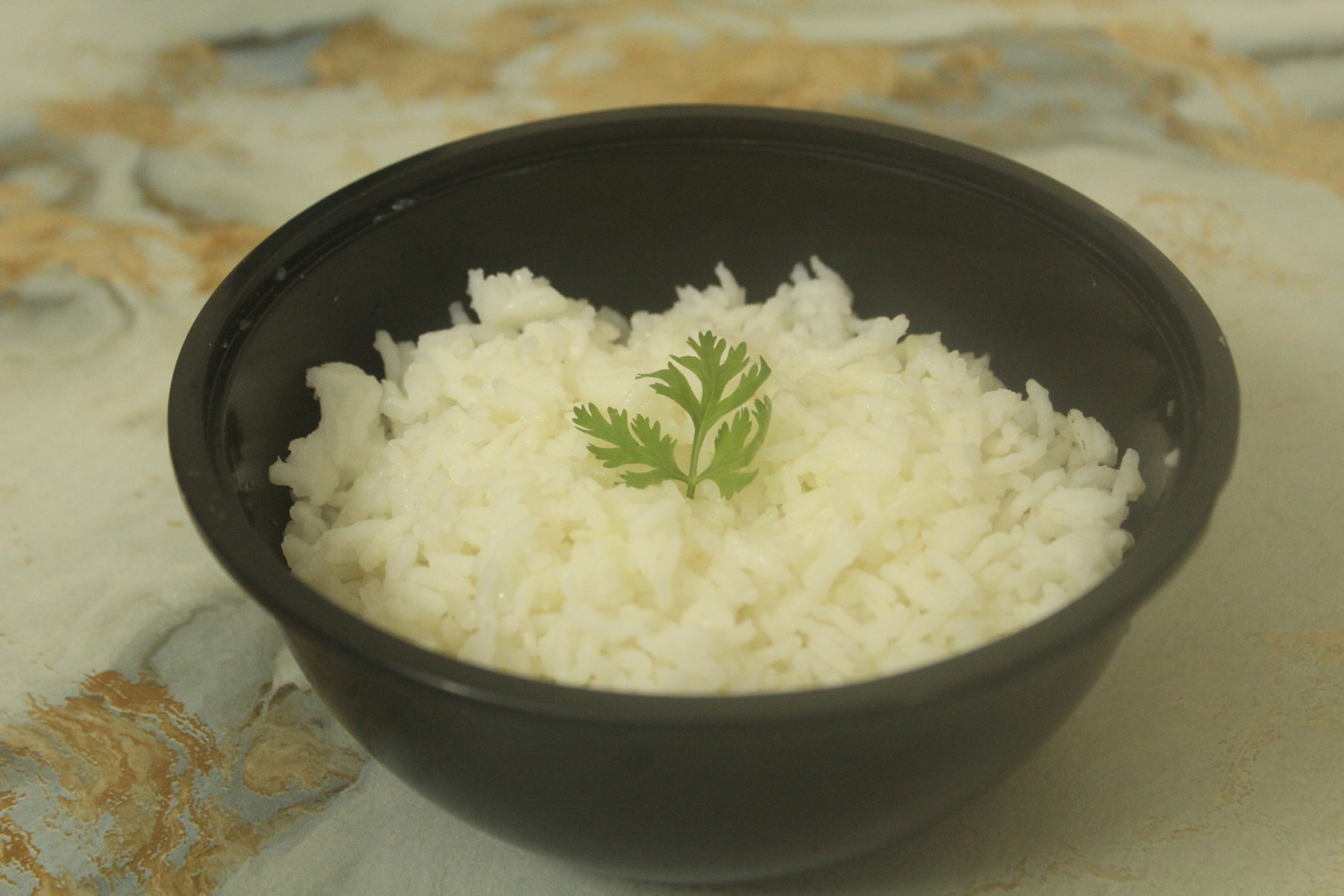

Plain, soft, and boring in the best way - white rice can help a dog's tummy, but it is not a full meal plan.
I was rinsing rice for lunch when Kira appeared beside me like she had been summoned by the sound of the steel bowl.
She did not walk in so much as materialize.
One second, the kitchen was just me, the tap running, a pot waiting on the stove. The next second, my Siberian Husky girl was sitting at my feet, nose lifted, eyes fixed on the rice like I had opened a secret treasure box.
The funny thing is, rice is such an ordinary food in our Indian homes, right?
Sona masoori, basmati, leftover rice, curd rice, pulao, khichdi – rice is everywhere.
But when Kira looked up at me with that hopeful face, I paused.
Can dogs eat white rice? Or is this one of those “safe for us, not safe for them” foods?
Cue the frantic Googling.
And yes, a little Reddit rabbit hole too. One dog parent asked on r/dogs if rice was bad “once in a while,” and the replies were mostly the same: plain cooked rice is common when dogs have an upset stomach, but it should not replace a balanced diet.
That felt like the real answer hiding inside the simple one.
Yes, dogs can eat white rice.
But like most dog-parent answers, there is a tiny asterisk sitting beside it, wagging its tail.
The Short Answer I Needed: Yes, But Keep It Plain
Turns out, plain cooked white rice is generally safe for dogs.
The AKC says rice is sometimes used in commercial dog foods, and many vets recommend white rice as part of a bland diet after mild stomach upset. PetMD also notes that cooked rice is non-toxic to dogs and is often used when dogs have digestive issues.
But the word that matters here is plain.
I mean rice without the human drama around it.
No biryani, fried rice, onion-heavy pulao, ghee, salt, masala, garlic, or that one delicious tadka we humans are emotionally attached to.
For dogs, the safest option is just cooked rice in water until soft. Boring, yes. Unglamorous, absolutely.
Which, honestly, is probably why it works when a dog’s stomach is being dramatic.
In Kira’s case, I would never scoop rice straight from our lunch pot unless I knew exactly what had gone into it. Our food is built for human joy. Her diet needs to be tailored to her body.
And those are not always the same thing.
Why Vets Reach for White Rice When Tummies Go Off-Script
Here’s the thing: white rice is not famous in the dog world because it is some superfood. It gets recommended because it is gentle.
White rice is easy to digest, quick to cook, and lower in fiber than brown rice. That is why vets often suggest it with boiled, skinless chicken for short-term tummy trouble. VCA’s guide on upset stomachs in pets mentions boiled white rice with boiled chicken breast as a simple, bland diet option when the pet is otherwise okay, and there is no blood in the stool.
I have seen dog parents talk about this everywhere.
On Reddit, one person said their vets had recommended white rice for diarrhea. Another said chicken and rice helped settle their dog’s stomach. And in an AskVet thread, the answer was reassuring: rice is not automatically toxic to dogs, and it is even used in many commercial dog foods.
But I also noticed the caution underneath all the comfort.
A bland diet is usually a short-term thing, not a forever menu.
It is also not a sign to start saying, “My dog likes chicken and rice, so this is dinner now.” And it is definitely not permission for Kira to reject her regular food and reinvent herself as a rice princess.
Although let’s be real, she would happily apply for that position.
White Rice Is Gentle, Not Magical
This is where I had to remind myself not to confuse safe with complete.
White rice can be okay. It can even be useful, especially as a kind little bridge when a dog’s stomach is recovering.
But rice alone does not give a dog everything she needs.
There was another Reddit thread in which someone asked whether feeding white rice, chicken, pumpkin, chicken liver, peas, and carrots was okay for their dog. The comments quickly turned toward balance: homemade diets can miss out on nutrients if not planned properly.
And that aligns with what Tufts Pet Foodology says about home-cooked diets. Even when the ingredients sound healthy, long-term homemade meals need the right nutrients in the right amounts. Their bland diet article also says that if home-cooked food is needed long-term, the recipe should come from a board-certified veterinary nutritionist.
That was a good little reality check for me.
Because as dog parents, we love feeding love.
It starts with a spoon of rice, maybe a bit of chicken, maybe a cube of pumpkin, because someone looked at us with those eyes. Then, suddenly, we add a treat because they blinked beautifully, and we have lost all authority in our own kitchen.
But love still has to land in the bowl as balance.
In our home, Kira’s main meals are not built around rice. If I ever use it, it is a small add-on or a short-term tummy-food situation, and if the problem lasts, I would rather call our vet at Jeeva Hospital than play kitchen doctor.
For me, that is not being fancy. It is just knowing my limits.
Brown Rice, Basmati, Jasmine, and the Very Indian Pantry Question
Of course, once I learned white rice was okay, my brain immediately went full Indian pantry mode.
But what about basmati? What about Sona Masoori? What about brown rice? What about the rice already sitting in the cooker?
From what I found, plain cooked white rice varieties like basmati and jasmine are generally fine for dogs. PetMD says jasmine and basmati are safe in the same way as other plain white rice.
The grain shape is not the issue.
The add-ons are.
Brown rice is also not toxic to dogs, but it is higher in fiber and harder to digest. That means it may not be the best choice when your dog already has diarrhea or a sensitive stomach. White rice is usually preferred in those moments because it is gentler and more starchy.
So if Kira had a mild tummy upset and our vet said rice was okay, I would reach for plain white rice, not brown rice.
And definitely not leftover lemon rice from the fridge.
The moment onion, garlic, excess salt, chili, butter, heavy oil, or masala enters the picture, it stops being “rice for dogs” and becomes “please don’t share this with your dog.”
Kira may disagree.
Kira also once tried to inspect a packet of atta (wheat flour) as if she were a customs officer.
So I take her food opinions with affection, not obedience.
The Uncooked Rice Panic Is a Different Story
Cooked rice and uncooked rice are not the same conversation.
One of the Reddit links you shared was from a dog parent whose dog got into a bag of uncooked rice. The story was messy in exactly the way only dog-parent stories can be messy. The dog had awful diarrhea, the human had carpet regrets, and everyone learned the same lesson: pantry doors matter.
Uncooked rice can be hard on a dog’s stomach.
It is dry, tough, and not something I would ever intentionally feed. If a dog eats a large amount of uncooked rice, I would watch closely and call the vet, especially if there is vomiting, bloating, repeated diarrhea, pain, lethargy, or anything that feels off.
This is one of those moments where I would not wait for internet reassurance. Some situations are “monitor and call if needed,” while others are “call now and let the vet decide.”
A dog getting into a small dropped spoon of cooked rice? I would not panic.
A dog tearing into a dry rice bag? That goes into my Jeeva Hospital mental folder.
How I Would Serve White Rice to Kira
If I were giving Kira white rice, this is how I would keep it simple.
Cook it fully
Soft rice is easier to digest. I would boil it in plain water until it is properly cooked, not chewy or underdone.
Keep it completely plain
That means skipping salt, ghee, butter, garlic, onion, masala, sauces, and the tempting little thought of “but just a little tadka.”
Dogs do not need our seasoning. Their stomachs are not trying to win MasterChef.
Start small
If Kira had never eaten rice before, I would begin with a tiny amount and watch her.
A spoonful mixed into her regular food is very different from a whole bowl of rice.
Use it short-term for tummy trouble
If a vet recommends a bland diet, rice may be paired with boiled, skinless chicken or another vet-approved protein. Some guides suggest more rice than protein for diarrhea because the starch can help firm stool, but I would still follow the vet’s exact advice for Kira.
Do not make it her main diet
For a healthy dog, rice should be a small extra, not the center of the bowl.
Many sources use the 10% rule for treats and add-ons: extras should account for 10% or less of a dog’s daily calories, while most of a dog’s nutrition should come from a complete and balanced dog food.
For a medium-sized dog like Kira, I would keep rice occasional and in modest amounts. A spoon or two as a topper is one thing. A rice-heavy daily diet is another.
Be extra careful with some dogs
If your dog has diabetes, obesity, kidney disease, pancreatitis, food allergies, chronic diarrhea, repeated vomiting, or any long-term medical condition, ask your vet before adding rice.
White rice can raise blood sugar more quickly than some other foods, so it may not be the right regular add-on for every dog.
And if your dog is a puppy, senior, very small, pregnant, or already unwell, I would be even more careful.
Tiny bodies and sick bodies leave little room for guesswork.
What If Your Dog Refuses Rice?
This made me laugh because one of the AskVet threads you shared was from someone whose dog loved chicken but refused rice unless cheese was melted onto it.
And I get it.
Dogs are wonderfully specific.
Kira will act like a starving poet for something one day and then look deeply offended by the same thing the next day.
If your vet has suggested rice and your dog refuses it, I would not start adding cheese, butter, or rich toppings just to force the issue. That sort of defeats the purpose of a bland diet.
Instead, I would ask the vet for alternatives.
Some dogs may do better with a veterinary GI food, potato, pumpkin, or another bland option depending on what is going on. But the “depending” is the whole point. Diarrhea can come from food changes, infection, parasites, stress, allergies, pancreatitis, or something else entirely.
Rice is not a diagnosis. It is just a useful little bowl, sometimes.
One Plain Bowl, One Familiar Kind of Care
These days, when I rinse rice, and Kira takes her royal position at my feet, I do not panic.
I smile at her.
I tell her she is very convincing.
And then I remember: not every food from my plate belongs in her bowl, but not every human food is forbidden either.
White rice sits in that soft middle place: safe when cooked plain, helpful when used with care, but not enough to build a whole diet around.
There is something sweet about that, actually. So much of loving a dog is learning the difference between sharing and overdoing. Between comfort and habit. Between a small spoonful because their tummy needs gentleness, and a full bowl because their eyes made you emotionally weak.
And honestly?
Those eyes are powerful.
But Kira trusts me to be the grown-up in the kitchen, even when she is pretending she has never eaten in her life.
So if white rice ever lands in her bowl, it will be plain, soft, and given with thought.
Just a small bowl of care.
Nothing fancy.
Sometimes, that is enough. ❤️